After developing a serious medical condition that made Michael Aimino’s twenty-seven year 9-5 software development career too difficult, he began to look for a new way to keep him busy and productive while having the time to tend to his health issues. Woodworking had long been a hobby of his, building numerous projects including cabinets and a bar. Passionate about learning and creating, Michael wanted to find something that combined his technology background with his woodworking interests.
Discovering CarveWright
His research led him to discover CNC carving and the CarveWright System.
“I looked at what was available on the market, and the CarveWright offered the best combination of value and capabilities.”
He purchased his first CarveWright in December of 2017 and his second in April of 2018. After watching the various videos and working through tutorials, he was soon making “some pretty neat items” for his friends and family.
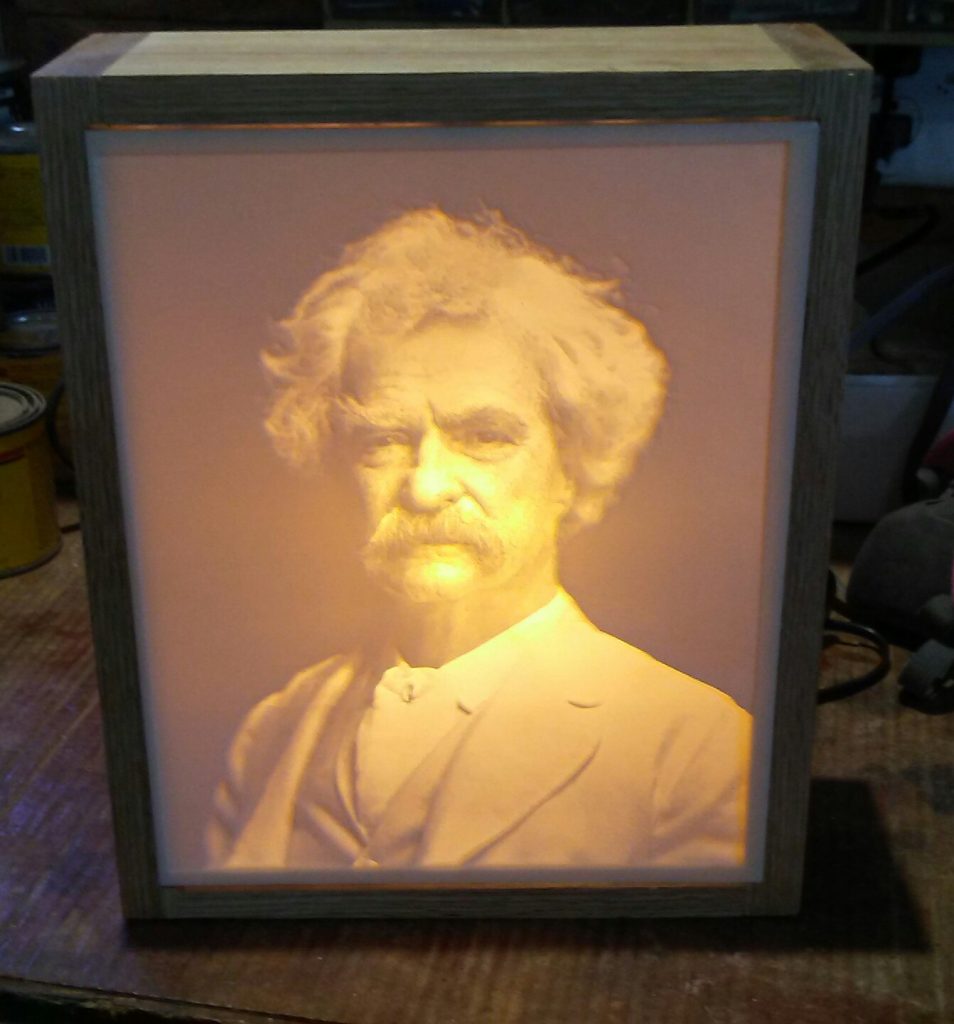
Discovering Lithophanes
“What really blew my mind, though, was when I discovered lithophanes. They are unlike anything I had seen before and the possibilities of what I could create seemed endless.”
With his love for old photographs and retro-technology, the unique look of lithophanes made vintage photos a natural match. Starting small with 4” x 6” carvings, he increased his knowledge and refined his technique to create lithophanes worthy of selling. Even after making dozens, he is still so excited to see each new one as it comes out of the machine.
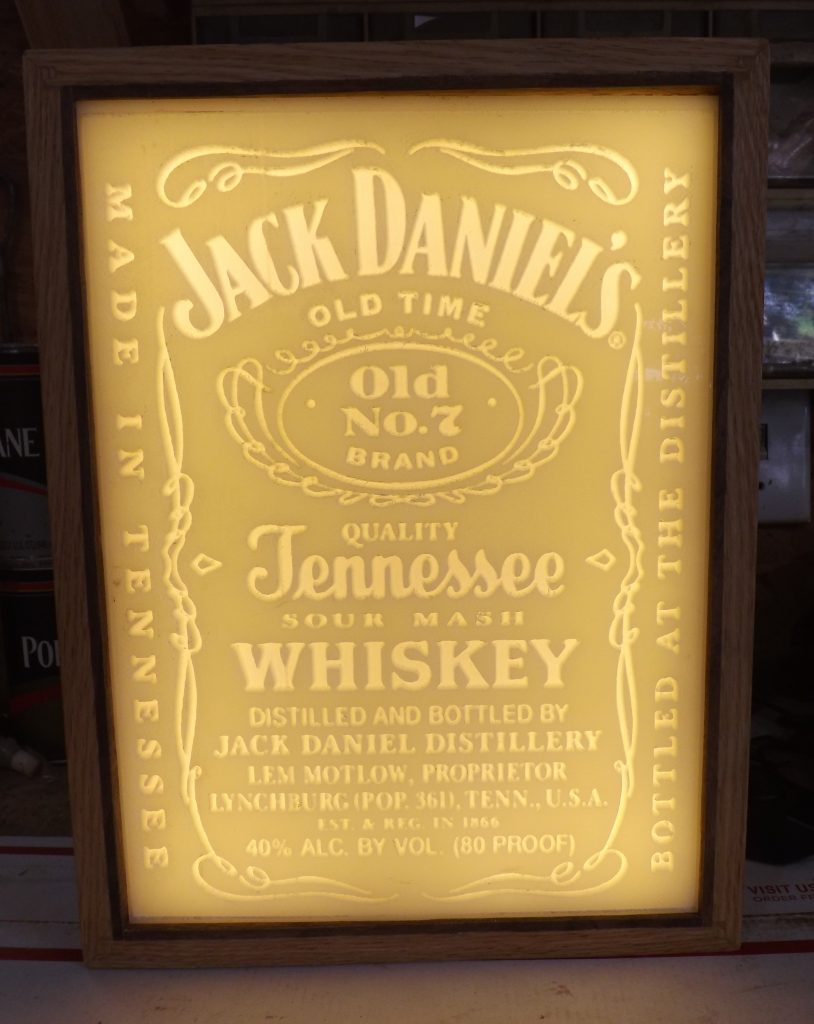


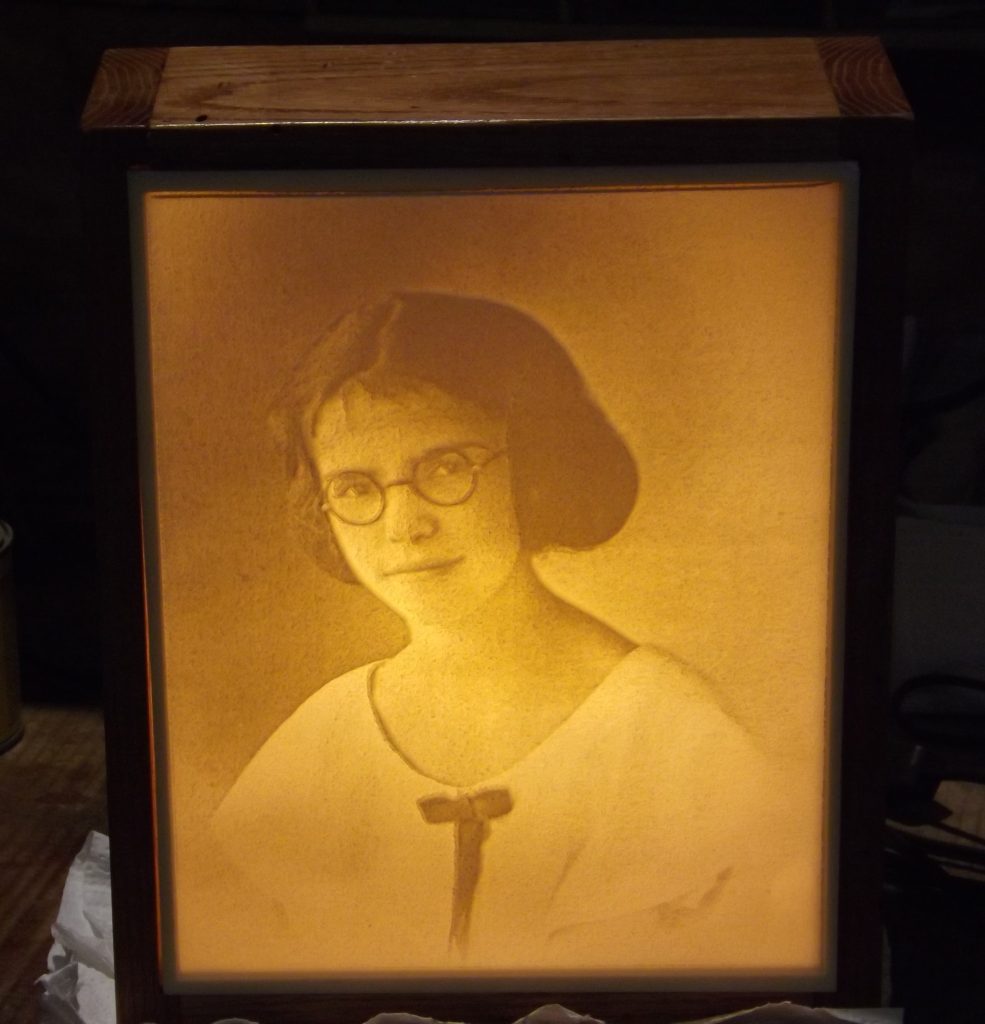
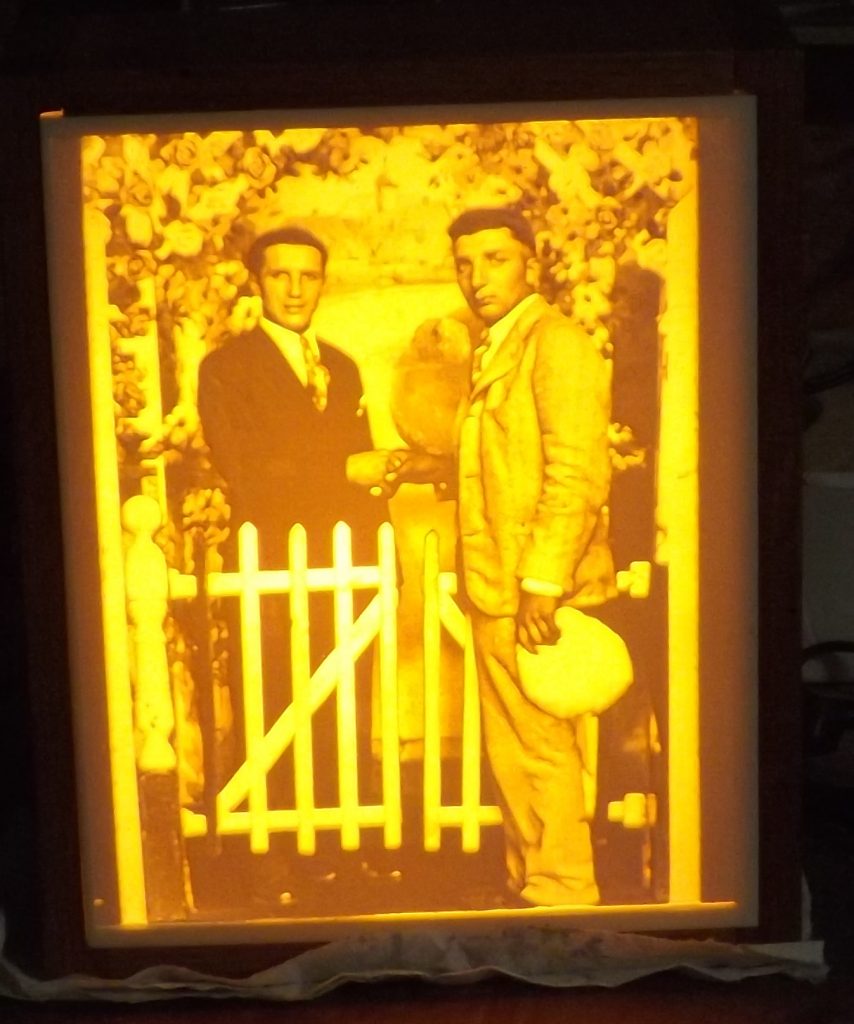
“I challenge myself and my CarveWright machines every day by constantly trying to push the envelope, always striving to improve and to make something better than before. I have yet to exceed the limits of my machines. Whatever idea I come up with, the machines are totally up to the task. The software is very similar to various graphics programs I’ve worked with in the past and the CarveWright machine produces great results. The machines are so precise that it makes repeatable carvings easy and predictable.”
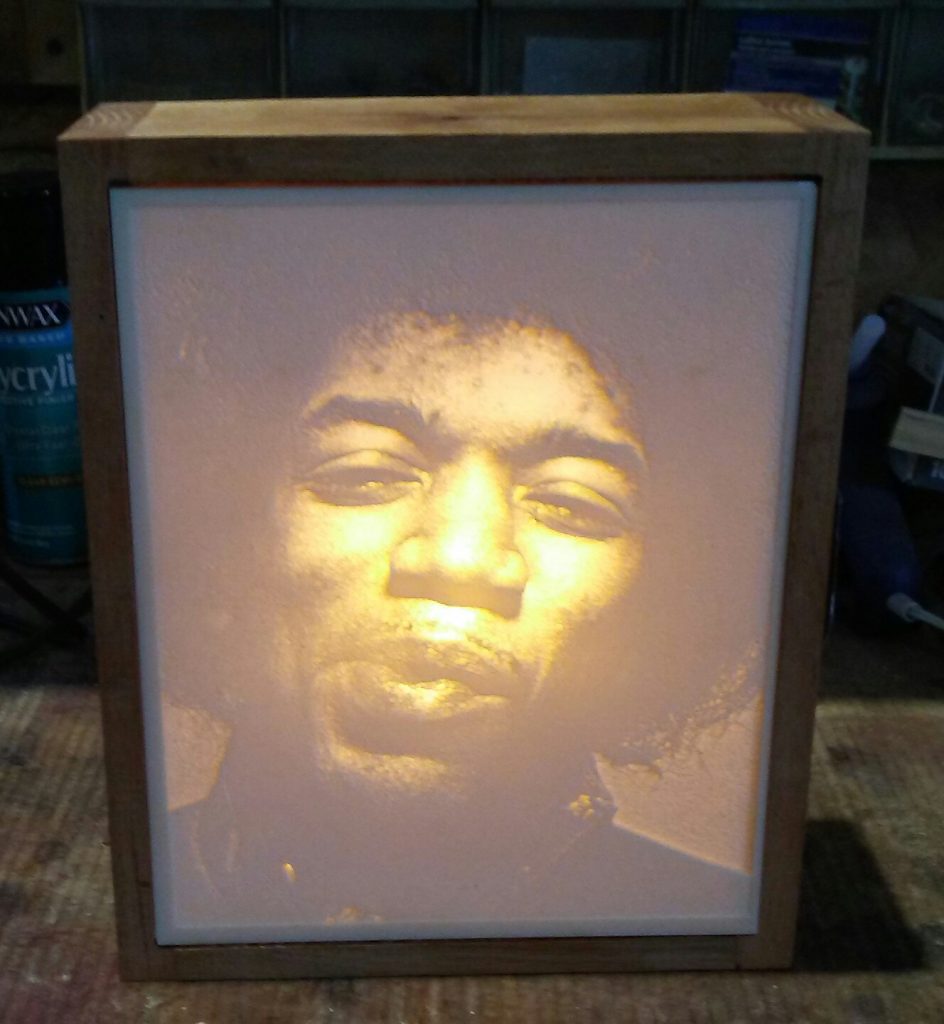

For lithophanes, he uses the 1/32” tapered bit and the optimal setting. You can see for yourself the amazing details: single stands of hair, the gleam of chrome, the texture of cast metal and clothing.
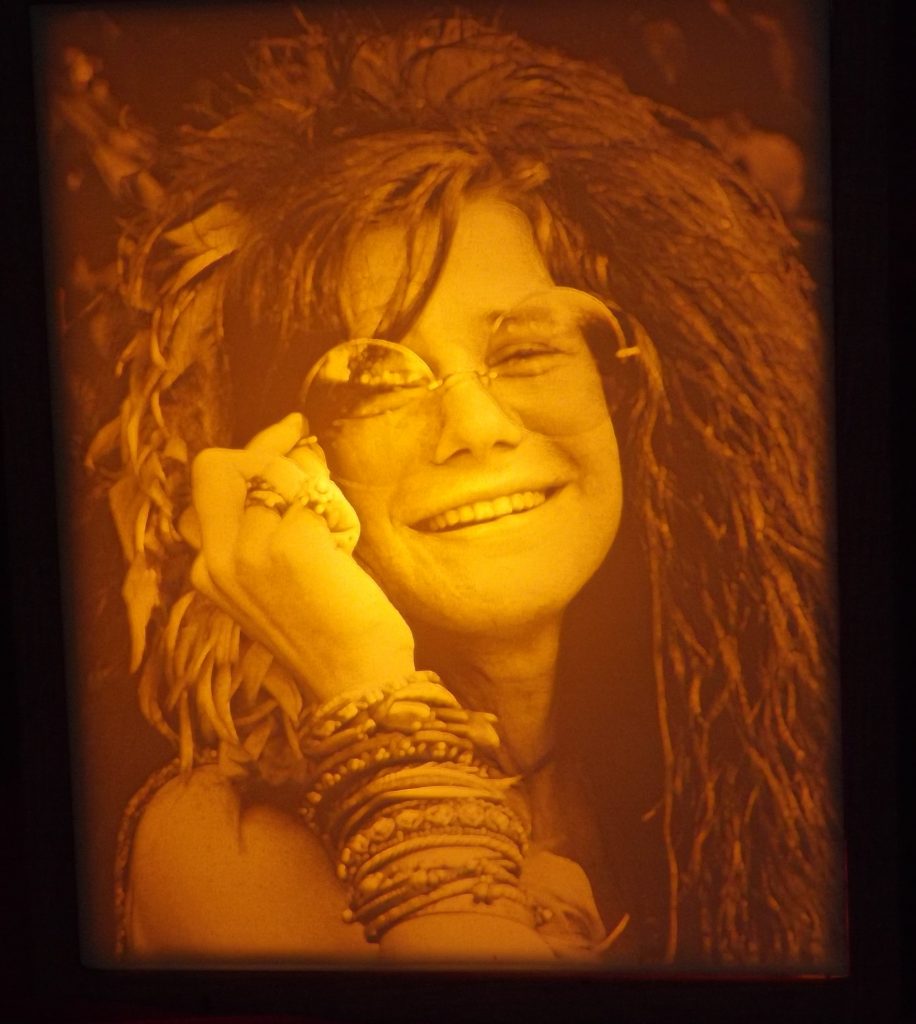
“My customers marvel at the results. I would highly recommend the CarveWright to anyone who is interested in carving. Anyone willing to put in the effort to learn the software and the operation of the machine can expect wonderful results.”

Michael’s Facebook page is Michael Aimino Custom Carving and he can be found on Etsy at MACustomCarving.